When you buy through liaison on our situation , we may earn an affiliate mission . Here ’s how it works .
New discoveries
Every year , scientists add to the catalog of life-time on Earth : discovering and account species not previously known to live . Some , as might be imagined , are uncovered in the depth of small - search jungles , but others have been found in cities , hiding in plain sight . Some have been mistaken for coinage that are close congener , while others were so small or in a shoes so distant they just escaped poster . From orchids to anuran with a deep brown - wye chromaticity to ants that expect like they ’re wear an eye patch , LiveScience aim a look at 13 of the fascinating new species announced this year .
A rare bloom
orchid can be found from flower shops to grocery store store , but anew species of orchidfound atop a volcano in the Azores , the radical of island off the glide of Portugal . The specie , Hochstetter ’s butterfly orchid ( Platanthera azorica ) , had actually been pile up some 170 year ago , but had n’t been further studied or recognized as a new species until scientists rediscover it . The prime may be Europe ’s rare orchid , according to Richard Bateman , a botanist at Kew Royal Botanic Gardens in London , and requires urgent conservation , as it is jeopardise by invasive species and habitat destruction .
Ghostly ‘shrimp’
They may count like something out of a Tim Burton movie , but theseskeleton shrimp(which are actually not shrimp at all , but are tiny crustaceans called caprellid amphipods ) , are very veridical . They populate in a small cave in the sea off of Southern California ’s Catalina Island , though they were found in vials in a museum . During a 2010 visit , caprellid expert José Manuel Guerra - García of the University of Seville in Spain realized they were a never - before - described species and arrange about describing them . give the scientific nameLiropus minusculus , these are the first skeleton shrimp discovered in the northeast Pacific Ocean .
Small scorpion
This scorpion may bet scarey , but its tiny size — it measures just a few centimeters in distance — intend it poses small threat to human race . A poke from its stinger would have about the same event as a mosquito raciness , the researchers who discovered it in Turkey say . A type of wood scorpion , the new coinage was dubbedEuscorpius lyciusand impart to the more than 1,700 species of scorpions on Earth that have been account by skill .
Glue-spitter
Be happy you ’re not a hemipteron in the rainforests of Vietnam . If you were , you might run in to this filthy predator . An example of what is called a velvet worm , this 2.5 - inch - foresighted ( 6 centimeters ) crawler attacks its prey by shooting out a glue - similar nitty-gritty from appendages . This essence immobilizes the inauspicious critter being aim , after which the worm throw in saliva and chows down . Velvet worms , a tricky grouping to find , because they run to brood in dirt and other hard - to - search place , could be more diverse than previously thought , the investigator who found the novel species say .
Already threatened
A decidedly cunning find , thisdwarf lemur , like all lemurs , is a native of the fabulously biodiverse island of Madagascar , off the east coast of Africa . The pocket-size hierarch likely went unnoticed because of its modus vivendi : It is nocturnal , spends much of its time up in the forest canopy , and could even have periods where it goes dormant and hides in a burrow . The species ( Cheirogaleus lavasoensis ) was establish when researcher were pick out tissue samples from another , known dwarf lemur species and discovered they had encounter a antecedently undescribed brute . The lemur already face up the threat of extinction , with possibly fewer than 50 of it left in the wild .
Pristine home
This is n’t the form of umber frog you ’d find in Harry Potter ’s confect stash . Thecocoa frog , named for its milk umber - hue hide , is one of 60 species — all potentially young to skill — found in the tropical forests of southeastern Suriname . One research worker shout the area the most pristine ecosystem they had ever see , and this frog was just one six potentially unexampled batrachian metal money found there .
These fins were made for walking
" Walking " sharksget their name from the way their pectoral and pelvic fivesome seem to bear on the seafloor as they swim . A new specie from Indonesia , Hemiscyllium Halmahera , described this twelvemonth is no exclusion . The shark , discovered in a reef off the Indonesian island of Halmahera , grows up to 27 inches ( 70 centimetre ) long and is harmless to humans , according to researchers .
‘Lost World’
In March , a National Geographic - fund sashay to a part of northeast Australia where few have venture discovered several mintage that come along to be new to science , including thiscamouflaged leafage - tail gecko . The gecko ( Saltuarius eximius ) grows to 8 inches ( 20 centimetre ) in distance and has impressive camouflage power , which it use to blend in to rocks to ambush passing prey . The coinage were find in the rainforests of the Cape Melville Range on the Cape York Peninsula , discover by the explorers as something of a " lost world . "
Hiding in plain sight
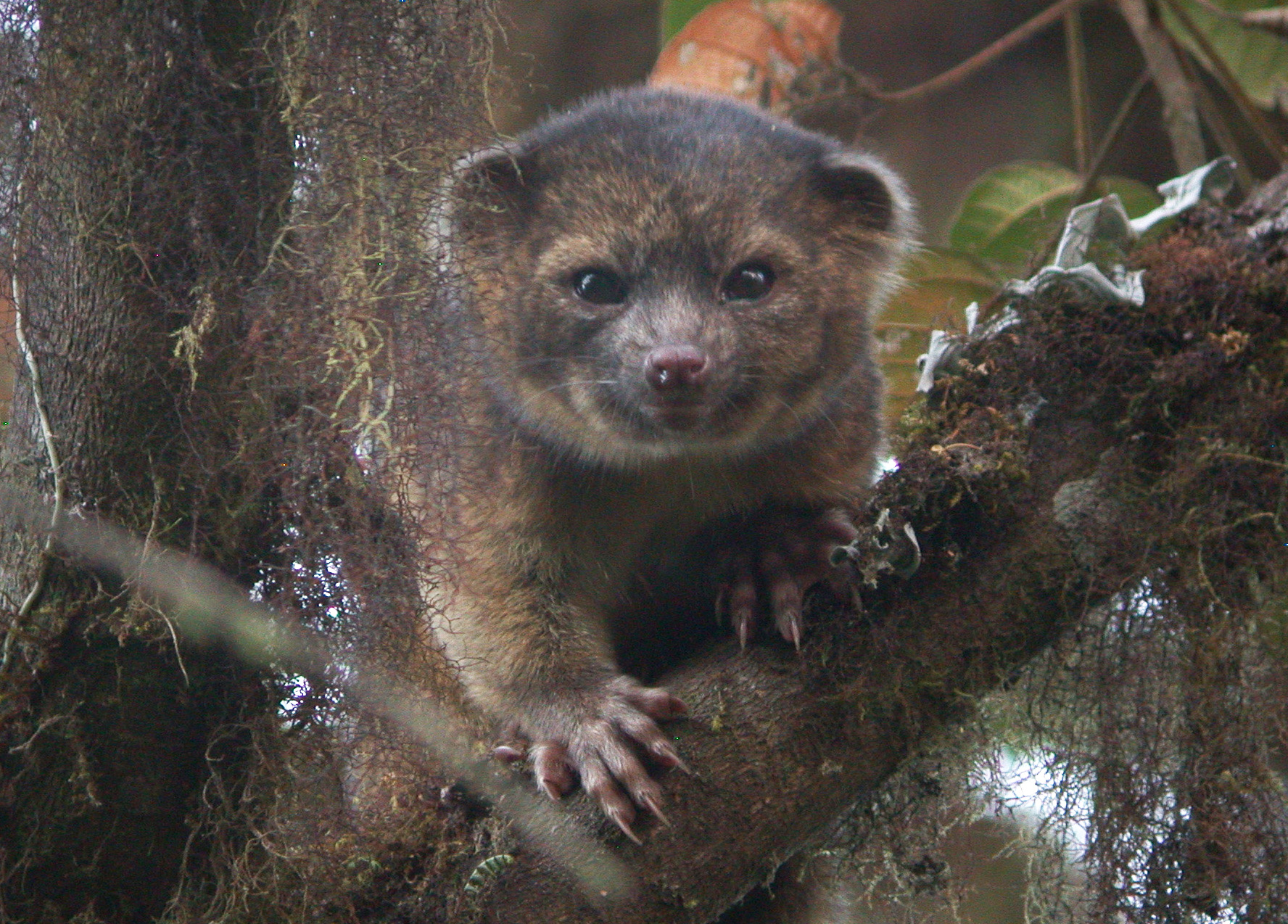
Despite the fact that it has been displayed in museum collection and domiciliate in American zoos at various points in the last C , the small , furred olinguito was n’t acknowledge as a clear-cut specie until this year . Theolinguito(Bassaricyon neblina ) resembles the related olingos , call off " cat monkeys " for their resemblance to a house cat with a really foresightful nates . An effort to classify olingos by see at their skulls find that some skull were much smaller and differently form than the others , and field of operation notes from the other 20th C noted the animal appearing at much high elevations than the olingos ' typically have sex range . researcher place out to find endure exemplar of the species and ground them in the swarm forests of the western slopes of the Andes Mountains .
City bird
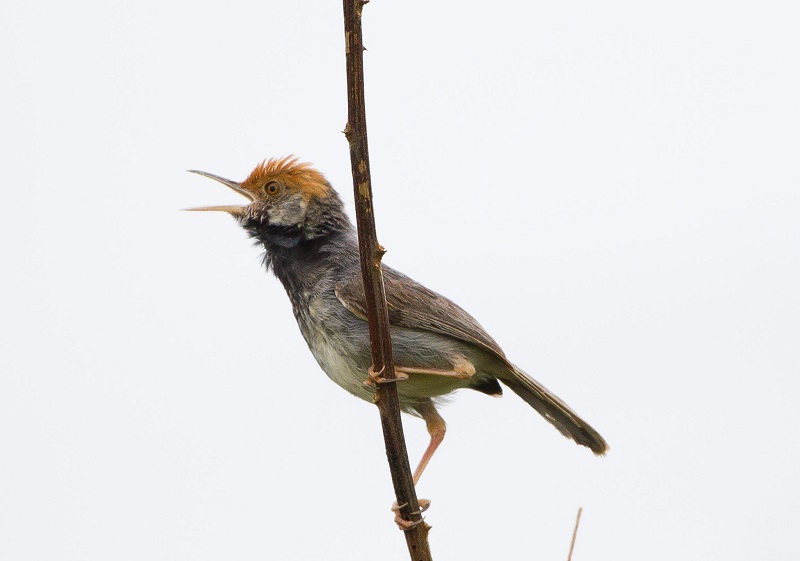
Another specie found right under researchers ' nose is theCambodian tailorbird(Orthotomus chaktomuk ) , discovered in the dense , humid lowland scrub in and around the country ’s capital , Phnom Penh , a city of 1.5 million . The razz , about the size of a jenny wren and featuring a crimson cap , gray - to - Olea europaea wing , and a grim throat , is notable for its brassy call .